

Should Developers Use VR or Static Renders?
In recent years, virtual reality (VR) has been widely promoted as the next big thing in real estate marketing. Sales galleries showcase headsets, investors ask about immersive experiences, and many developers feel pressure to “add VR” to stay competitive.
But the real question isn’t whether VR is impressive.
It’s whether it actually helps sell property.
For most off-plan developments, the answer is more nuanced than many expect.
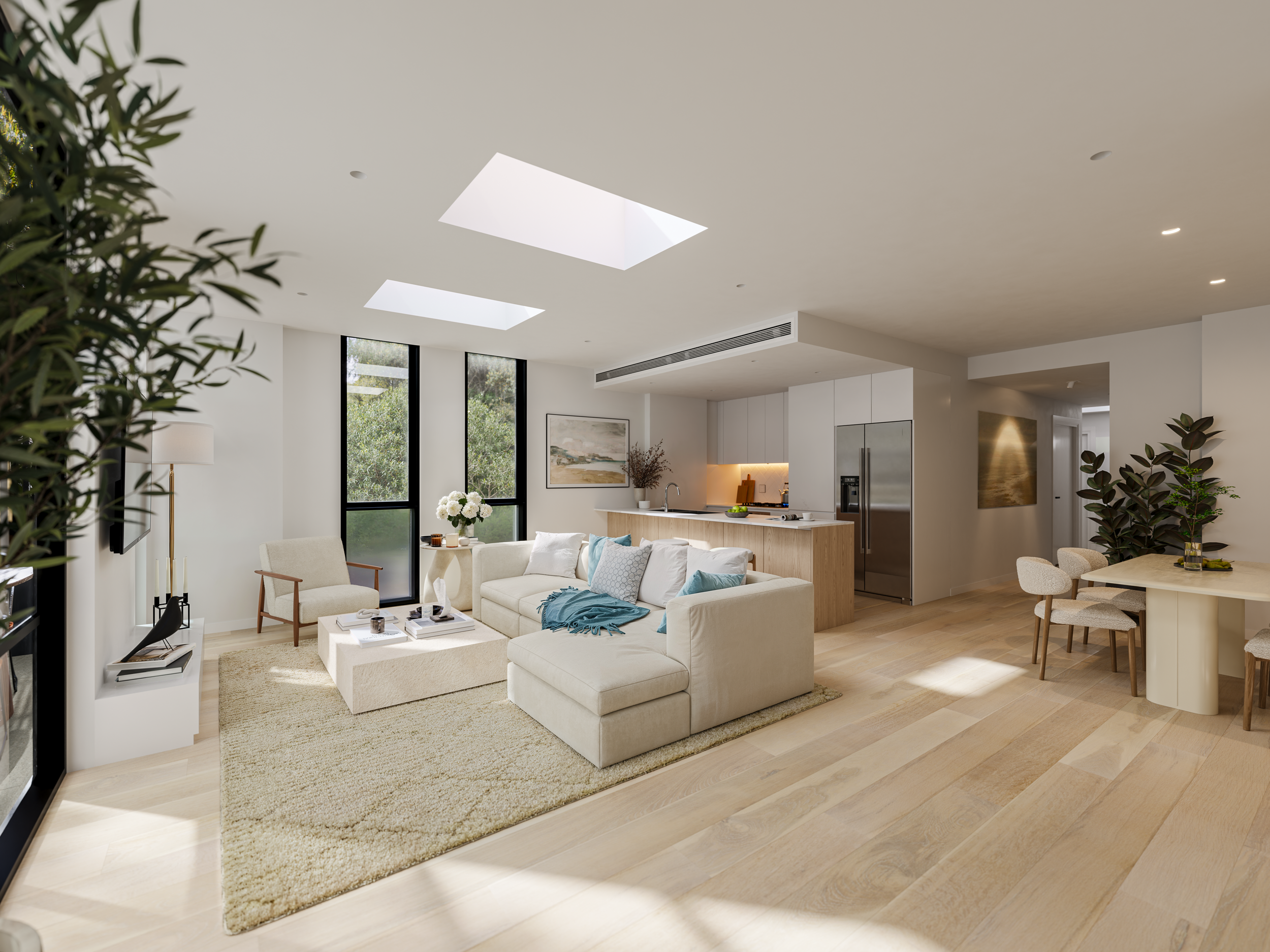
Why Static Renders Still Dominate Off-Plan Sales
Despite new technology, static architectural renders remain the most effective and widely used sales tool in real estate marketing.
A well-crafted render delivers emotion instantly. Within seconds, a buyer understands the mood, the quality, and the lifestyle being offered. This matters because most purchase decisions begin emotionally, not rationally.
Static renders also integrate seamlessly into every marketing channel:
Project websites
Brochures and investor decks
Billboards and hoardings
Online listings and social media
They are easy to consume, easy to share, and easy to control. Every angle, every light condition, every detail is intentional. This level of control is crucial when positioning a development, especially in the early stages.
Just as importantly, static renders offer high return on investment. For early-stage marketing, they deliver clarity and desire without adding friction to the buying journey.
Where Static Renders Fall Short
Static images, by nature, are selective. They show curated moments rather than full spatial understanding. For straightforward residential layouts, this is rarely an issue. But for more complex developments, some buyers eventually want deeper reassurance.
This is where VR can play a role, but only at the right time!
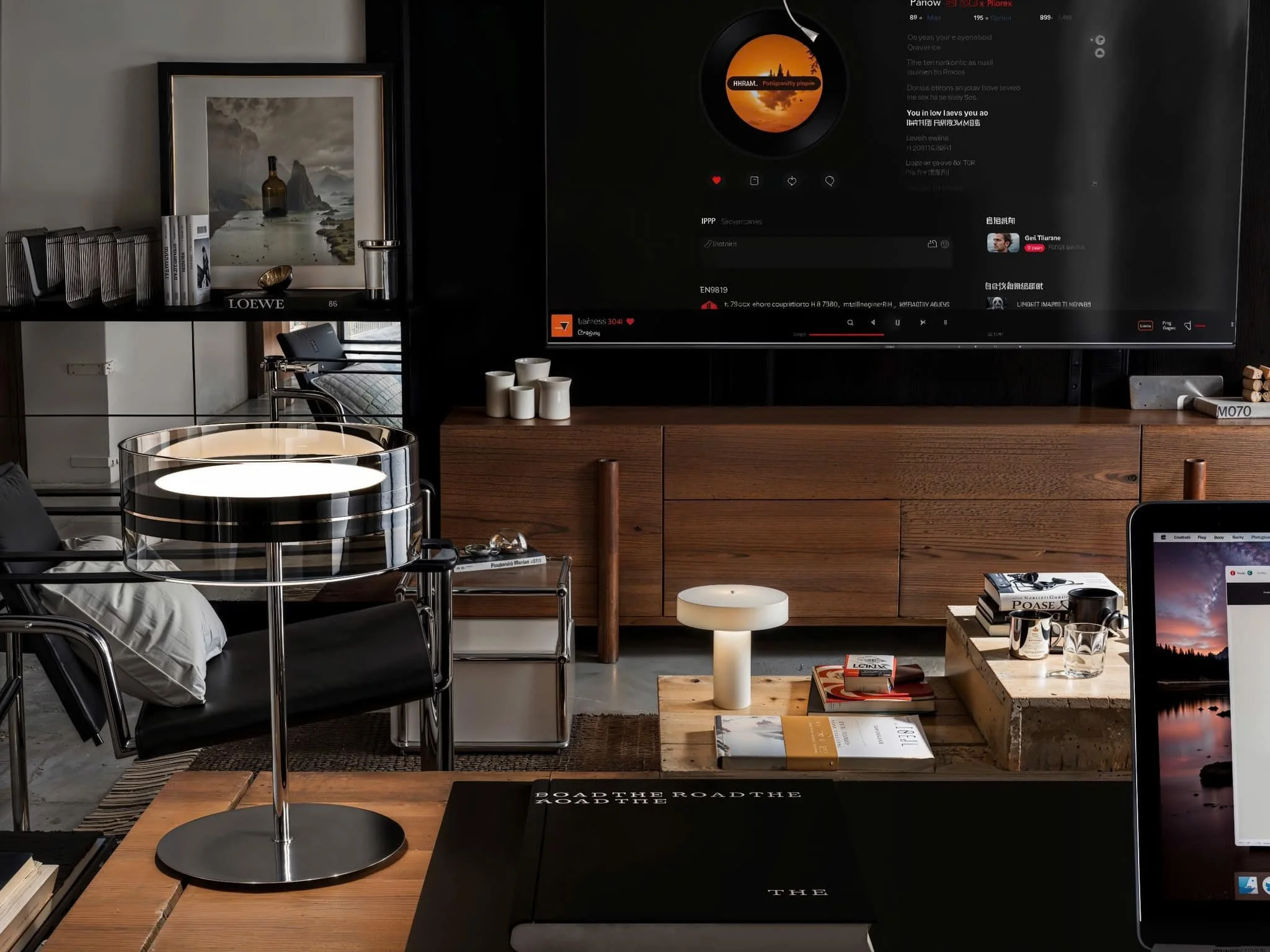
What VR Actually Does Well
VR is not a mass-marketing tool. It is an immersion and confidence tool.
When used correctly, VR helps buyers:
Understand spatial flow and scale
Experience views, transitions, and proportions
Feel how spaces connect over time
This is especially valuable in:
Luxury residential projects
Hospitality and resort developments
Branded residences
Mixed-use or large-scale masterplans
VR excels in controlled environments such as sales galleries, exhibitions, roadshows, and investor presentations. It allows a deeper emotional anchoring once interest has already been established.
The Mistake: Treating VR as a Replacement
One of the most common mistakes developers make is trying to replace static renders with VR.
This usually backfires…
VR requires effort. Headsets, navigation, explanations, and time. Most buyers don’t want to explore a project from scratch. They want to be guided toward a decision, not asked to investigate it themselves.
When VR is introduced too early, it often:
Slows down engagement
Reduces reach
Increases cost without increasing conversion
In short, VR does not create demand. It supports it.
Understanding the Buyer Journey
The most effective visualization strategies align with how buyers actually make decisions.
Early stage: Awareness & Interest
Buyers need emotion, clarity, and aspiration.
Static renders are unmatched here.
Mid stage: Consideration
Buyers compare options and look for credibility.
Strong renders, supported by selective animations or diagrams, work best.
Late stage: Commitment & Confidence
Buyers seek reassurance before committing.
This is where VR adds real value.
A Smarter, Layered Approach
High-performing developers don’t choose between VR or static renders. They sequence them.
A proven structure looks like this:
Strong hero renders to establish emotion and brand positioning
Supporting renders to explain layouts, views, and materials
VR introduced selectively to remove final doubts and reinforce confidence
This approach keeps marketing efficient while enhancing trust at critical moments.
Our Perspective at Arc & Sphere
Based on our work with residential, luxury, and hospitality developments, we typically advise:
Standard residential projects: Prioritise static renders. VR is optional and rarely essential.
Luxury and lifestyle developments: Start with strong visuals, then introduce VR once interest is secured.
Investor-focused or international sales: VR can be a powerful tool when used as part of a guided sales experience.
Static renders sell desire. VR sells certainty.
The question isn’t “Should we use VR or static renders?”.
It’s: “At which moment does immersion actually increase conversion?”
Developers who answer that honestly make better decisions, spend more efficiently, and sell with greater confidence.
Contact us at hello@arcnsphere.com to visualise your project today.